Cretan Olive Oil
Olive oil is one of the most important and healthiest nutritional products, with the oil produced in Crete being of exceptional quality. Despite its great value, its market faces significant challenges; the producer price often fails to reflect its true worth, which impacts both the final quality and the incentives for producers.
Consumer Trends and Quality Indicators
Consumers typically choose olive oil based on price, certifications, and advertising, without always understanding the essential quality characteristics. Quality is defined by measurable indicators, such as:
Acidity: Must be ≤ 0.8% for Extra Virgin Olive Oil.
Peroxides: And other chemical markers.
Polyphenols: Which offer significant health benefits.
The Sensory Experience
Organoleptic characteristics—aroma, taste, and texture—play an equally vital role in the consumer experience. A high-quality olive oil features a balanced bitterness and pungency, a pleasant aroma, and an absolute absence of defects.
Factors Influencing Quality
Another significant issue is quality — both of the oil as produced and as bottled. Even today, there is widespread confusion among consumers about what genuine quality means and what the correct sensory characteristics of olive oil actually are. The quality of the oil is shaped by a variety of factors throughout the production chain:
Environment & Variety: The climate and the specific olive variety.
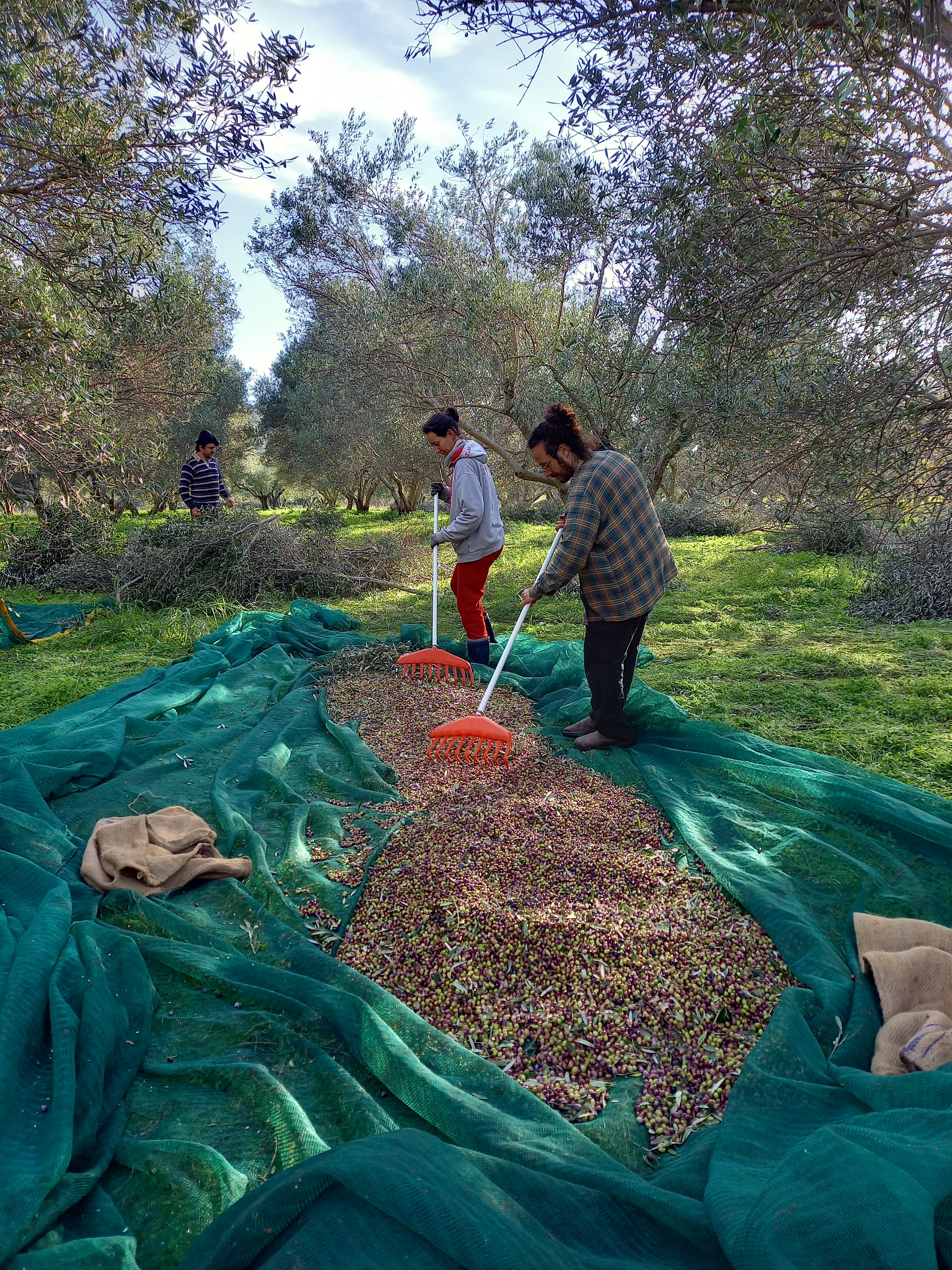
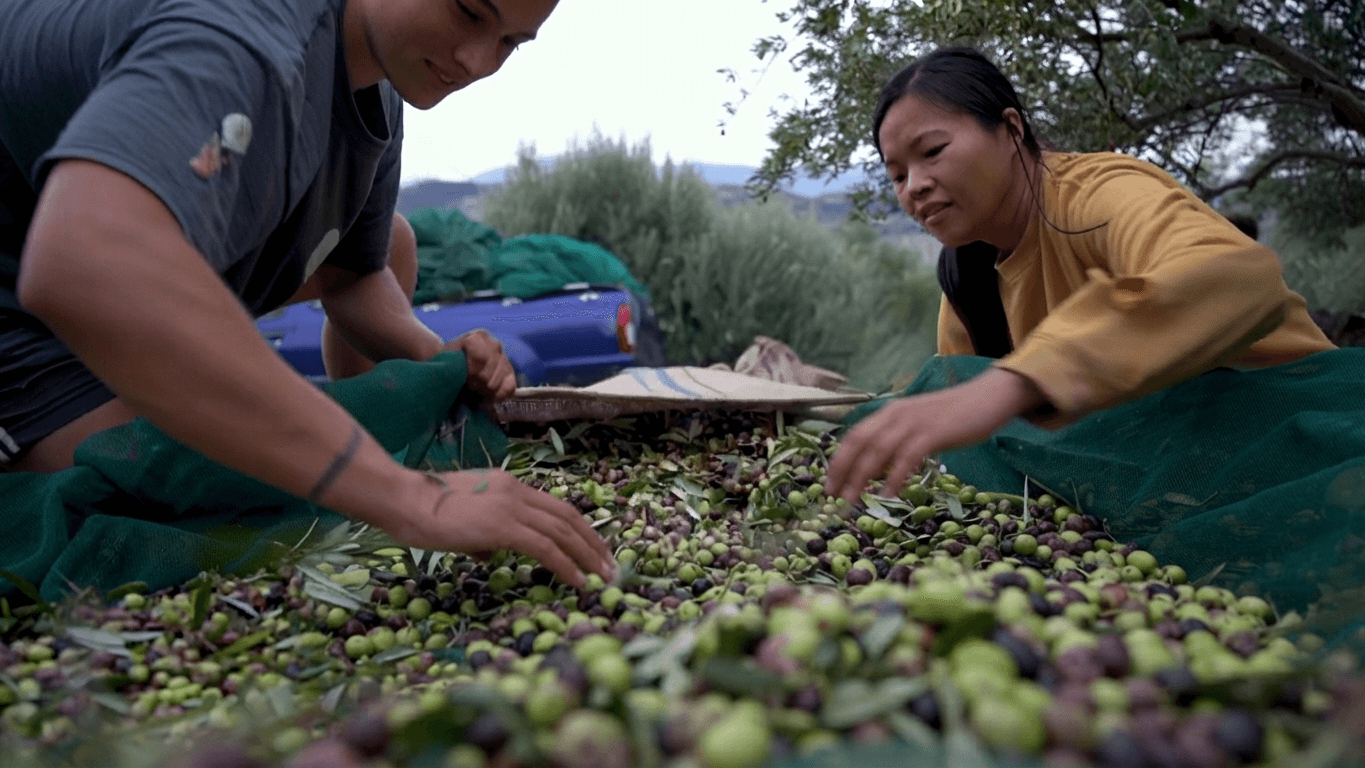
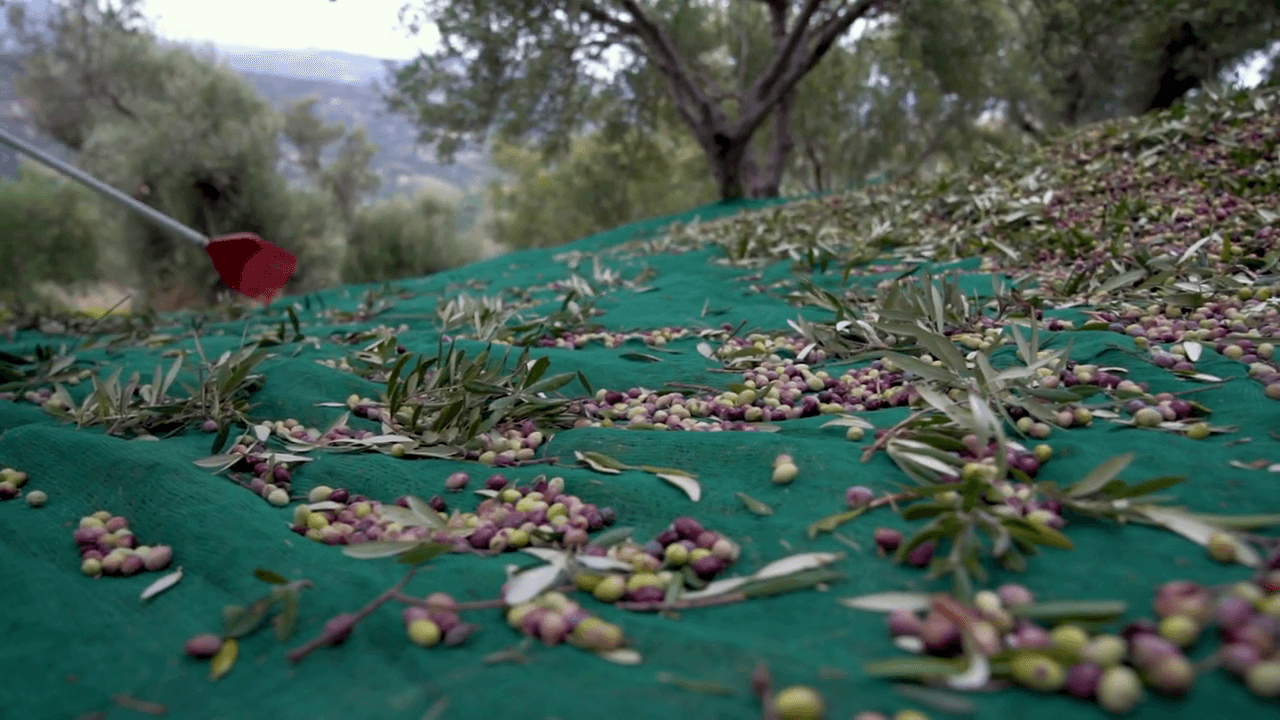
Cultivation & Harvest: Agricultural practices and the timing of the harvest.
Processing & Storage: Proper management during extraction and storage is critical for maintaining high standards.
Conclusion
Ultimately, olive oil is not merely a commodity but a fundamental pillar of nutrition. Better consumer education and a more direct relationship with producers can enhance both the quality and the market value of this essential product.
From the olive harvest